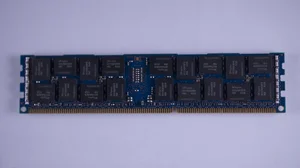
As technology progresses, the demand for faster and more efficient computing solutions continues to surge. One area where this demand is particularly noticeable is in computer memory, where DDR4 and DDR5 represent the latest advancements. Whether you’re a tech enthusiast, a gamer, or a professional looking to upgrade your PC, understanding the differences between DDR4 and DDR5 is crucial. This article explores the distinctive features of each memory type, helping you make informed decisions when considering an upgrade.
Understanding DDR4 Memory
DDR4, or Double Data Rate Fourth Generation, has been the standard for several years, offering significant improvements over its predecessor, DDR3. Here are some of the key features:
- Speed and Performance: DDR4 provides a baseline speed ranging from 1600 MHz to 3200 MHz, which enhances system responsiveness and multitasking capabilities.
- Capacity: Supports higher module density, with capacities up to 64GB per module, allowing for expansive memory configurations.
- Power Efficiency: Operates at a lower voltage (1.2V) compared to DDR3, resulting in reduced power consumption and heat generation.
DDR4 remains a reliable choice for many users, providing a balance of performance and cost-effectiveness. For those interested in optimizing their current systems, discover expert strategies here.
Introducing DDR5 Memory
DDR5 is the latest iteration in the DDR memory family, bringing substantial enhancements over DDR4. Here”?s what makes DDR5 stand out:
- Increased Bandwidth: DDR5 offers significantly higher bandwidth, starting at 4800 MHz and reaching much higher frequencies, which translates to faster data processing.
- Greater Capacity: Supports up to 128GB per module, doubling the maximum capacity of DDR4, which is beneficial for data-intensive applications.
- Enhanced Power Efficiency: Operates at an even lower voltage (1.1V), improving energy efficiency and thermal management.
- Advanced Features: Features like on-die ECC (Error Correction Code) contribute to improved reliability and system stability.
For a deeper dive into optimizing systems with DDR5, learn about our tailored solutions.
DDR4 vs DDR5: Choosing the Right Upgrade
When deciding between DDR4 and DDR5, consider the following factors:
Performance Needs
Evaluate the performance requirements of your applications. DDR5 is ideal for high-performance computing tasks, such as gaming and content creation, due to its superior speed and capacity. However, DDR4 is sufficient for everyday computing and less demanding applications.
If performance is a priority, explore advanced guides and tips to maximize your system”?s capabilities.
Budget Constraints
DDR5 is generally more expensive than DDR4 due to its advanced technology and features. Users with a limited budget might find DDR4 a more cost-effective option, while those seeking cutting-edge performance might lean towards DDR5.
Compatibility
Ensure that your motherboard supports DDR5 before considering an upgrade, as DDR5 requires a compatible motherboard and processor. Conversely, DDR4 has wider compatibility with existing systems.
To ensure compatibility and optimal performance, find out more about this approach.
Conclusion
Choosing between DDR4 and DDR5 depends largely on individual needs and system compatibility. While DDR5 offers impressive advancements in speed, capacity, and efficiency, DDR4 remains a viable and cost-effective solution for many users. Whether upgrading to DDR5 for peak performance or opting for DDR4 for its proven reliability, understanding the distinctions between these memory types is essential for making an informed decision.
