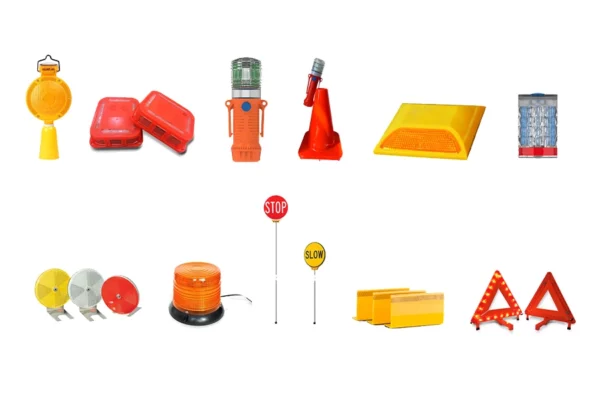
In an era where safety and efficiency are paramount, the importance of reliable warning systems cannot be overstated. LED warning lights have become an integral part of safety protocols across various industries, offering enhanced visibility, energy efficiency, and longevity. Selecting the right LED warning lights for specific applications requires a nuanced understanding of available features, industry standards, and the operational environment. This guide explores essential considerations to assist in making an informed decision.
Understanding the Basics of LED Warning Lights
LED warning lights are pivotal in ensuring safety in environments ranging from construction sites to emergency vehicles. Their advantages over traditional lighting solutions include:
- Longer lifespan: LEDs can last up to 50,000 hours or more, significantly reducing replacement costs.
- Energy efficiency: LEDs consume less power, leading to lower energy bills and a reduced carbon footprint.
- Superior visibility: Bright and consistent illumination enhances visibility even in challenging conditions.
Types of LED Warning Lights
Depending on the application, different types of LED warning lights may be required. Common types include:
- Rotating Beacons: Ideal for vehicles such as tow trucks and forklifts to provide 360-degree visibility.
- Strobe Lights: Emit intense flashes of light, effective for emergency services and industrial settings.
- Light Bars: Typically used on emergency vehicles, providing wide-area illumination.
Key Considerations for Selection
Choosing the right LED warning lights involves evaluating several critical factors to ensure optimum performance and compliance with safety standards.
Brightness and Color
Brightness is a crucial factor, as it determines visibility. Measured in lumens, brighter lights are necessary for environments with high ambient light. Color also plays a role:
- Amber: Commonly used for construction and maintenance vehicles due to its visibility and cautionary connotation.
- Red: Often used by emergency services to signal urgency.
- Blue: Generally reserved for law enforcement and emergency services.
Durability and Weather Resistance
LED warning lights should withstand harsh weather conditions and physical impacts. Look for features such as:
- IP ratings indicating resistance to dust and water.
- Robust housing materials like polycarbonate or aluminum.
Compliance with Regulations
Adherence to local and international regulations is essential. Ensure that the selected LED warning lights comply with standards such as:
- SAE International standards for automotive lighting.
- UL (Underwriters Laboratories) certification for safety and performance.
Installation and Maintenance
Ease of installation and maintenance can impact the overall cost and efficacy of LED warning lights. Consider:
- Mounting options such as magnetic bases for flexibility or permanent installations for stability.
- Modular designs that facilitate easy replacement of components.
Conclusion
Selecting the right LED warning lights is imperative for ensuring safety and compliance in various operational environments. By considering factors such as brightness, durability, and regulatory compliance, one can make an informed choice that enhances both safety and efficiency. For a comprehensive selection of LED warning lights, explore options that align with specific needs and operational demands.
