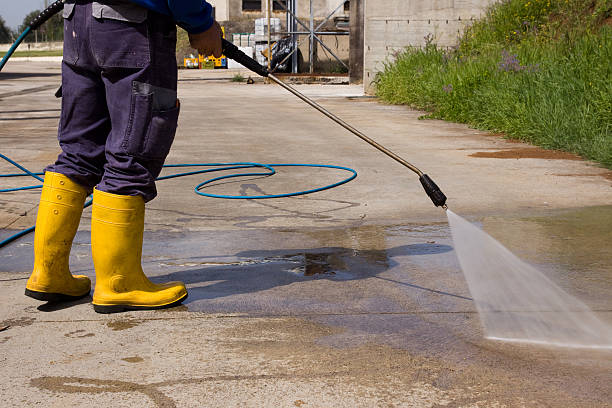
Keeping a home’s exterior looking fresh goes beyond curb appeal; it protects surfaces, prevents decay, and improves overall indoor air quality. Pressure cleaning, when performed correctly, removes embedded grime, mold, algae, and pollutants that ordinary washing cannot tackle. Homeowners who invest in regular pressure cleaning not only preserve the value of their property but also create a healthier environment for families and pets. This guide outlines the essential considerations, best-practice techniques, and safety measures needed to achieve professional-grade results without the need for a commercial service.
Why Pressure Cleaning Matters
The forces generated by a high-pressure washer can reach up to 4,000″?psi, enough to dislodge stubborn contaminants while being gentle enough not to damage most residential surfaces. Over time, accumulated dirt and biological growth can cause:
- Surface erosion and premature paint failure
- Slip hazards on driveways and walkways
- Allergic reactions from mold spores
- Reduced lifespan of siding, decks, and fences
Addressing these issues early extends the life of exterior materials and maintains a polished appearance. For a deeper dive into the benefits, Discover expert strategies here.
Key Areas to Pressure Clean
Driveways and Patios
Concrete and paver surfaces collect oil stains, tire marks, and organic growth. A pressure washer with a 2,500-3,000″?psi rating and a 25?? nozzle is ideal for removing these residues without etching the material.
House Siding
Vinyl, aluminum, and fiber-cement siding benefit from a low-pressure (1,200-1,500″?psi) wash combined with a 40?? fan tip to avoid gouging. Pre-treating with a biodegradable detergent helps break down mildew before the rinse.
Decks and Fences
Wooden decks require a delicate touch; a 1,200″?psi setting with a 25?? nozzle can lift dirt while preserving the grain. After cleaning, applying a sealant protects against future weathering.
Roof and Gutters
Moss and lichen on roof tiles can lead to water infiltration. A soft-bristle brush attachment paired with a low-pressure spray (under 1,500″?psi) safely removes growth without damaging shingles. For comprehensive guidance, Learn about our tailored solutions.
Choosing the Right Equipment and Techniques
Selecting the appropriate washer, nozzle, and cleaning agents is critical for achieving optimal results while minimizing risk.
- Pressure rating: Match the psi to the surface, higher for concrete, lower for wood and siding.
- Nozzle angle: 0?? for spot cleaning, 15??-25?? for general cleaning, 40?? for delicate surfaces.
- Detergents: Use biodegradable, surface-specific cleaners; avoid harsh chemicals that can damage paint or vegetation.
- Water source: A steady supply with adequate flow (minimum 2.5″?gpm) ensures consistent pressure.
For a step-by-step walkthrough of equipment selection, Explore advanced guides and tips.
Safety Considerations
Pressure washers generate powerful streams that can cause injury or property damage if mishandled. Follow these safety protocols:
- Wear protective eyewear, gloves, and non-slip footwear.
- Never point the nozzle at people, pets, or electrical outlets.
- Test the pressure on a hidden area before full application.
- Secure loose items (planters, garden tools) that could become projectiles.
- Disconnect the power source when changing nozzles or accessories.
Additional safety insights are available at Find out more about this approach.
Maintaining Cleanliness Over Time
A single pressure-cleaning session yields dramatic results, but regular maintenance preserves them. Consider these routine practices:
- Sweep driveways and decks weekly to prevent grit buildup.
- Apply a protective sealant to wood decks every 12-18 months.
- Inspect gutters quarterly for debris that can promote mold growth.
- Schedule a professional-grade pressure wash annually for high-traffic areas.
Integrating these habits reduces the frequency of intensive cleaning and keeps the home’s exterior looking its best year after year.
Conclusion
Residential pressure cleaning is a cost-effective, environmentally responsible method for preserving the structural integrity and aesthetic appeal of a home. By understanding the appropriate pressure settings, selecting the right accessories, and adhering to safety guidelines, homeowners can achieve results comparable to professional services. Regular upkeep, combined with strategic use of biodegradable cleaners, ensures that the property remains resilient against weather, wear, and biological growth. For further reading on specialized techniques and product recommendations, explore the resources provided throughout this article.
